Source Toilet Tissue Dispenser for Hotel, Bathroom, and Public Restroom
Compare 30 toilet tissue dispenser options from Chinese manufacturers with varying materials like stainless steel and ABS. Buyers can evaluate customization, certifications, and pricing for hotel, bathroom, and public restroom applications.
Key considerations
Products List


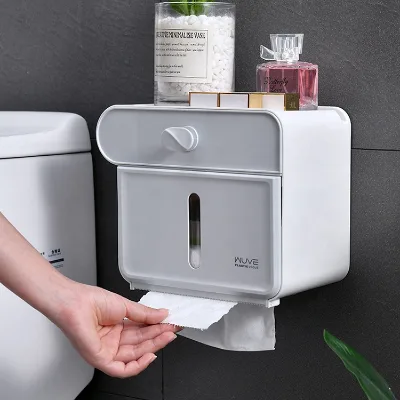


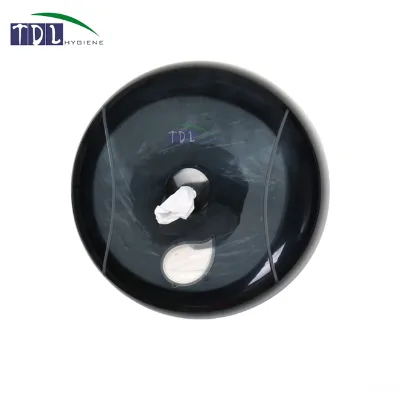
Comprehensive Sourcing Guide
Strategic Sourcing Guide for Toilet Tissue Dispensers
The global market for commercial bathroom fixtures has seen a steady evolution in design and functionality, with the toilet tissue dispenser serving as a critical component for hygiene, security, and aesthetic cohesion in high-traffic environments. For procurement professionals, sourcing these units requires a nuanced understanding of material science, installation logistics, and compliance standards. The current supply landscape offers a diverse array of options ranging from basic stock paper holders to complex, custom-engineered units designed for specific architectural needs. This guide synthesizes available market data to provide a disciplined framework for evaluating potential suppliers and selecting the right product for specific operational requirements.
Technical Specifications and Material Selection
The foundational decision in sourcing a toilet tissue dispenser involves selecting the appropriate material and form factor. The observed product data indicates a clear divergence in material composition, with stainless steel and ABS plastic representing the two dominant categories. Stainless steel units are frequently cited for their durability and resistance to corrosion, making them ideal for high-moisture environments such as public restrooms in hotels or transportation hubs. These units often feature a chrome plate surface finishing, which not only enhances aesthetic appeal but also provides a protective layer against tarnishing. In contrast, ABS plastic dispensers offer a cost-effective alternative that is lightweight and resistant to impact, suitable for settings where heavy-duty security is less of a concern.
Shape and structural design are equally critical variables. The market presents dispensers in square, circular, and rectangular configurations. The choice of shape often dictates the internal capacity and the type of tissue roll it can accommodate. For instance, specific models are designed to hold "9-inch paper rolls," while others are optimized for "single roll" or "200 sheets" configurations. The standard dimensions for tissue paper, such as "270*125mm" or "93x93mm," must be matched precisely to the dispenser's internal cavity to ensure smooth operation and prevent jamming. Furthermore, the mounting style is a decisive technical factor. Data highlights "Wall Mounting Type" as a standard installation method, with specific distinctions made between "Under Shed" and "Upper Shed" styles. The "Under Shed" configuration typically conceals the roll mechanism from direct view, offering a cleaner aesthetic, whereas "Upper Shed" designs may offer easier access for restocking. Buyers must verify the specific mounting hardware requirements, as some units may require specialized anchors or specific wall thicknesses to ensure stability.
Compliance, Certification, and Safety Standards
In the B2B procurement sector, compliance is not merely a formality but a prerequisite for liability management and operational safety. The supply chain for toilet tissue dispensers includes various certification markers that indicate adherence to international quality and safety standards. The data explicitly references ISO certifications, which are critical for manufacturers demonstrating a commitment to quality management systems. Additionally, specific product lines may carry CE and FCC certificates. The CE mark indicates conformity with health, safety, and environmental protection standards for products sold within the European Economic Area, while FCC certification is relevant for any electronic components if the dispenser includes automated features, though most standard units are mechanical.
It is imperative for buyers to distinguish between generic certification claims and verified documentation. The presence of "ISO" in product descriptions should be validated against the specific ISO standard number (e.g., ISO 9001) to ensure the manufacturer's quality control processes are robust. Furthermore, the "Customized" attribute in the data suggests that some suppliers offer OEM and ODM services, which often involve custom branding or specific color finishes like "Primary Color" or "Chrome." When dealing with customized orders, buyers must ensure that the customization process does not compromise the underlying material integrity or safety certifications. For example, a custom logo application should not interfere with the structural strength of the mounting points or the corrosion resistance of the surface finish.
Cost Drivers and Pricing Dynamics
Understanding the cost structure of toilet tissue dispensers requires an analysis of several variables, including material costs, customization levels, and order volume. The observed price range in the market spans from $0.62 to $100 USD, a wide spectrum that reflects the diversity in product complexity and quality. The lower end of this range typically corresponds to basic plastic models or stock paper holders with minimal finishing. Conversely, the higher price points are associated with stainless steel units, chrome plating, and custom designs that require specialized tooling or labor.
Order Volume, or Minimum Order Quantity (MOQ), is a significant driver of unit cost. The data indicates an MOQ range from 1 to 14,064 units. Suppliers often structure their pricing tiers to incentivize larger orders, where the per-unit cost decreases due to economies of scale in production and shipping. For instance, a buyer requiring a specific model like "TD-8304" might face a different price point than one ordering a custom "TD-K8313A1" unit. Additionally, the packaging method influences logistics costs. Products shipped in "Carton" or "Box and Master Carton" configurations, with specific carton sizes like "570L435W600hmm," must be evaluated for their impact on shipping efficiency. A buyer purchasing 500 units (a common MOQ threshold) will need to calculate the number of master cartons required to optimize container space and reduce freight expenses.
Typical Applications and Operational Fit
The suitability of a toilet tissue dispenser is heavily dependent on the intended application environment. The data explicitly categorizes products as suitable for "Hotel" and "Bathroom" settings, but the operational demands of these environments vary significantly. In hotel settings, where aesthetics and durability are paramount, stainless steel units with chrome finishes are often preferred to maintain a premium image. These units must withstand frequent use and rigorous cleaning protocols without showing signs of wear. In contrast, high-traffic public restrooms may require more robust, vandal-resistant designs, potentially favoring heavy-gauge stainless steel or reinforced ABS plastic.
The "Type" of dispenser also dictates its application. "Roll" type dispensers are standard for commercial use, accommodating larger rolls that reduce restocking frequency. However, specific models are designed for "Extraction Paper" or "Stock Paper," which may imply different loading mechanisms or paper types. For example, a dispenser designed for "9-inch Paper Roll" is optimized for standard commercial jumbo rolls, whereas a unit with a "200 sheets" standard might be intended for smaller, more frequent replacement scenarios. The "Installation" method, specifically "Wall Mounting Type," is universally applicable but requires verification of the wall structure. In retrofitting scenarios, buyers must ensure the selected model can be installed without major structural modifications.
Supplier Evaluation and Verification
Selecting a reliable supplier is a critical step in the procurement process. The data points to suppliers located in "China," with specific manufacturing hubs identified in "Foshan" and "Guangzhou." These regions are known for their concentration of bathroom fixture manufacturers, offering a competitive advantage in terms of supply chain efficiency and cost. However, the presence of a location does not guarantee quality. Buyers should evaluate suppliers based on their ability to meet specific customization requirements, such as "Logo/Color" customization, and their capacity to handle large order volumes.
The "OEM" and "ODM" attributes indicate that suppliers are capable of producing private-label goods or designing products based on client specifications. When engaging with such suppliers, buyers must verify their production capacity and lead times. The data mentions payment terms such as "Tt, 30% Deposit, 70% Balance Tt Before Shipment," which is a standard practice but requires careful financial planning. Buyers should also assess the supplier's track record regarding "Customization" availability. While some products are listed as "Non-Customized," others offer "Customized" options, and the transition between these modes can impact production timelines. It is essential to confirm that the supplier can consistently deliver on the promised specifications, such as the "prod_model" numbers and "prod_standard" dimensions, without deviation.
Quality Control and Long-Term Procurement Considerations
Ensuring consistent quality across a large procurement order requires a robust quality control (QC) strategy. Buyers should implement a verification process that checks for material consistency, particularly the thickness and finish of stainless steel or the structural integrity of ABS plastic. Surface finishing, such as "Chrome Plate" or "Primary Color," must be inspected for uniformity and adhesion to prevent peeling or chipping over time. The "prod_packing" method, whether "Carton" or "Box and Master Carton," should be evaluated to ensure that products are protected during transit to prevent damage.
Long-term procurement considerations extend beyond the initial purchase. Buyers should assess the availability of replacement parts and the longevity of the product design. Models with specific "prod_model" numbers like "TD-8332D" or "TD-8337A" may have different lifespans depending on the material and finish. A supplier that offers "Customized" services might also provide better long-term support for reordering branded units. Additionally, the "Payment Term" structure should be negotiated to align with cash flow, ensuring that the 70% balance is paid only after satisfactory inspection of the goods. Finally, buyers should consider the environmental impact of the product, particularly the recyclability of materials like stainless steel and plastic, as sustainability becomes an increasingly important factor in corporate procurement policies.
Comparative Analysis of Key Product Attributes
To facilitate decision-making, the following table summarizes the key attributes observed in the market data, highlighting the trade-offs between different product types.
| Attribute Category | Option A: Stainless Steel / Chrome | Option B: ABS Plastic / Primary Color | Option C: Custom / OEM |
|---|---|---|---|
| Material | Stainless Steel | ABS Plastic / Plastic | Variable (Based on Spec) |
| Surface Finish | Chrome Plate | Primary Color | Custom Logo/Color |
| Shape | Square, Circular, Rectangular | Square, Circular, Rectangular | Customizable |
| Mounting Style | Under Shed, Upper Shed | Under Shed, Upper Shed | Wall Mounting Type |
| Certification | ISO, CE, FCC | ISO | ISO (Customized) |
| Typical MOQ | 500 PCS | 1 - 14064 | Negotiable |
| Best For | High-end Hotels, Public Restrooms | Budget-conscious Projects, Low Traffic | Branding, Specific Architectural Needs |
| Price Range | Higher ($100 range) | Lower ($0.62 range) | Variable |
This comparison underscores that there is no single "best" product; rather, the optimal choice depends on the specific constraints of the project, including budget, aesthetic requirements, and usage intensity. By systematically evaluating these attributes against the project's unique needs, procurement professionals can make informed decisions that balance cost, quality, and functionality.
FAQs
What materials are used for toilet tissue dispensers?
Dispensers are primarily made from stainless steel or ABS plastic. Stainless steel offers durability and corrosion resistance for high-moisture environments, while ABS plastic provides a lightweight and impact-resistant alternative for general use.
Which certifications do these products typically hold?
Many units carry ISO certifications to indicate adherence to quality management systems. Some specific models also feature CE and FCC certificates, ensuring compliance with safety and environmental standards for international markets.
Can I customize the logo or color of the dispenser?
Yes, customization is available for many models including logo and color options. Buyers should verify if the specific product model supports OEM or ODM services before placing an order for branded units.
How are these dispensers installed on the wall?
Most units utilize a wall mounting type installation method. They are available in under shed or upper shed styles, requiring specific anchors or wall thickness verification to ensure stability during use.
What is the typical minimum order quantity for these items?
The minimum order quantity ranges from 1 to over 14,000 units depending on the supplier. A common threshold for many models is 500 pieces, though some stock items may be available with lower MOQs.
Where are the manufacturers of these dispensers located?
Manufacturers are predominantly located in China, with specific hubs in Foshan and Guangzhou. These regions offer concentrated supply chains for bathroom fixtures, facilitating efficient production and logistics for global buyers.